
















































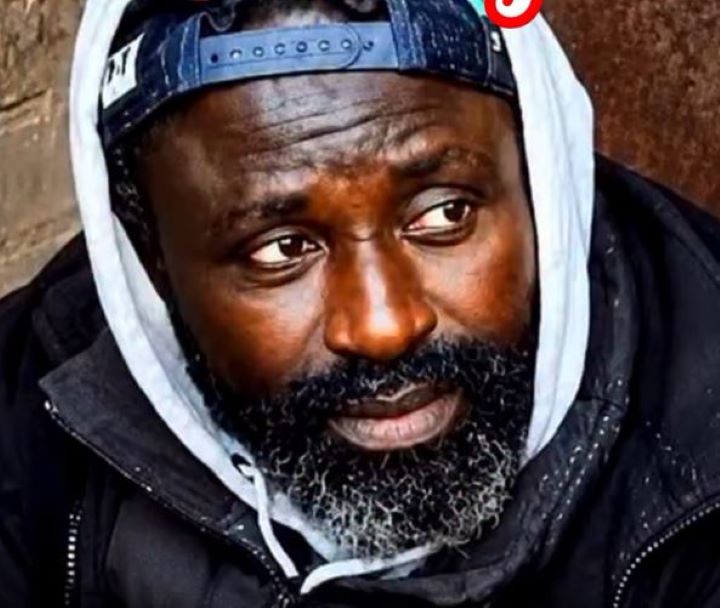
Barosky, born Isaac Obeng Mensah, is a Ghanaian musician remembered for his distinctive ragga/dancehall style and collaborations with some of the biggest names in Ghanaian highlife and hiplife music.
According to GhanaRegions.com editor, he became particularly popular in the 2000s through appearances on songs including Kofi Nti’s “Rakia” and Ofori Amponsah’s “Otoolege”, where his energetic vocal delivery became one of his trademarks.
Years after enjoying recognition in Ghana’s music industry, Barosky is now at the centre of public concern following reports that he is experiencing severe hardship and homelessness in Manchester, United Kingdom.
Who is Barosky?
Barosky is the stage name of Isaac Obeng Mensah, a Ghanaian musician associated with the highlife, hiplife and ragga music scene.
If he was roughly 18 to 22 years old during his breakthrough in the early 2000s, he would easily be between 40 and 45 years old today in 2026.
He hails from Ashanti Bekwai and developed his interest in music while attending Golden Six College, a technical school at Laterbiokorshie in Accra. During his time at the school, he served as the Assistant Entertainment Prefect, giving him an early opportunity to develop his musical interests.
Unlike many artistes who entered the industry solely as performers, Barosky also developed technical knowledge in music production.
Barosky and Appietus
Between 2002 and 2004, Barosky trained in sound engineering under renowned Ghanaian producer Appietus.
After his training, he worked as an assistant engineer before eventually deciding to concentrate more heavily on his own artistic ambitions. His experience in the studio exposed him to several important musicians and producers and helped create the connections that would later contribute to his breakthrough.
Barosky’s Breakthrough with Kofi Nti’s “Rakia”
Barosky’s breakthrough came when he contributed to Kofi Nti’s maiden album, “Rakia.”
His distinctive ragga-inspired delivery helped him attract attention among Ghanaian music fans. His work on the project subsequently opened the door for further collaborations with established artistes.
His association with Kofi Nti and the music production environment around Appietus also helped bring him into the orbit of Ofori Amponsah.
Barosky and Ofori Amponsah’s “Otoolege”
One of Barosky’s most memorable associations was with highlife star Ofori Amponsah.
Barosky became particularly recognisable to Ghanaian music lovers through his collaborations with Ofori Amponsah, including the popular song “Otoolege” — sometimes rendered as “Toolege” in media reports.
His ragga chanting and energetic interjections complemented Ofori Amponsah’s highlife sound and helped establish Barosky as a familiar face and voice during the peak of Ghana’s early-2000s highlife revival.
Barosky’s Other Music Collaborations
Throughout his active years, Barosky worked with several notable Ghanaian musicians.
His documented collaborations and appearances include artistes such as:
– Ofori Amponsah
– Kofi Nti
– K.K. Fosu
– Sidney
– Other Ghanaian musicians within the highlife, hiplife and ragga scene.
His ability to combine Ghanaian musical styles with Jamaican-inspired ragga chanting gave him a distinctive identity within the industry.
Barosky’s Solo Career and “Okyerewaa Ba”
After spending considerable time appearing on other artistes’ songs, Barosky eventually launched his solo career.
His maiden solo album was “Okyerewaa Ba,” a 10-track project that received airplay in Ghana. Contemporary reports described the album as a mixture of highlife, ragga, jama and hiplife influences.
The album included the title track “Okyerewaa Ba”, alongside songs such as “Asem” and “Obido Ba.” His music continued to showcase his combination of Twi, English and ragga-style chanting.
There is some inconsistency in historical reports over the release year: some contemporary accounts date Okyerewaa Ba to 2006, while other biographies give 2007. The album itself and its 10-track format are consistently documented.
Barosky and His Former Ofori Amponsah Camp
Barosky’s relationship with Ofori Amponsah’s camp was not always smooth.
Historical reports from 2006 documented disagreements involving alleged monies owed to Barosky and concerns about his frequent appearances on other artistes’ songs. He subsequently left the camp and pursued his own solo career.
However, Barosky later clarified that he did not regard Ofori Amponsah as an enemy.
In a 2007 interview, he described Ofori Amponsah as a colleague and elder brother and said they still communicated and exchanged ideas.
This distinction is important because older reports about their disagreements should not automatically be presented as evidence of a continuing feud.
Is Barosky Married? Does He Have Children?
Available biographical reports describe Barosky as a single father of one son. However, detailed, independently verified information about the child’s identity, age, mother or current family circumstances is not widely available in reliable public sources.
Barosky has also recently said that he has lost touch with his family in Ghana and that he has only a few friends in the United Kingdom.
What Happened to Barosky?
Barosky’s current circumstances have shocked many Ghanaians who remember him from the height of his music career.
In an interview with Okay FM presenter Nana Romeo, Barosky disclosed that he was experiencing homelessness in Manchester and was struggling to meet basic needs.
He said he was sleeping on the streets, was unemployed and was depending on people for food. He also described difficulties accessing basic facilities, including bathing.
His situation came to wider public attention after Nana Romeo encountered him in Manchester and shared footage of their interaction.
Barosky Appeals to Return to Ghana
Rather than simply asking for accommodation in Britain, Barosky made an emotional appeal for assistance to return to Ghana.
He explained that he has no family in the UK and only a few friends there.
According to his account, he would prefer returning home to Ghana rather than remaining in the UK without a stable support system.
Barosky also reportedly said that his passport was with the police and that he was concerned about retrieving it because he understood that he would need to provide an address, something he currently does not have.
Delay Starts Fundraiser for Barosky
The growing public concern has prompted intervention from Ghanaian media personality Deloris Frimpong Manso, popularly known as Delay.
Reports published on August 23, 2026, say Delay launched a GoFundMe fundraiser intended to support Barosky and help him get back on his feet. The reported fundraising target is approximately £5,500.
The fundraising effort followed Nana Romeo’s publicisation of Barosky’s situation and has increased attention on the plight of the former music star.
Has Barosky Been Taken Off the Streets?
There has also been a potentially positive development.
A report published on August 25, 2026, said Ghanaian performer Stajay indicated that he had taken Barosky to his home in Manchester following the circulation of the interview. If confirmed, this could mean that Barosky’s immediate circumstances have improved from those described in his initial interview.
However, the longer-term situation — including permanent accommodation, employment, travel arrangements and family reunification — remains unclear.
Why Barosky’s Story Has Touched Ghanaians
Barosky’s story has generated strong reactions partly because of the contrast between his former visibility and his current circumstances.
During the height of Ghana’s highlife and hiplife era, his voice appeared on popular recordings alongside established artistes. His contributions to songs such as “Rakia” and “Otoolege” made him familiar to a generation of Ghanaian music listeners.
Today, reports of him sleeping outdoors in Manchester have prompted renewed discussions about what happens to musicians after their periods of commercial success.
His experience also highlights broader issues surrounding migrants who lose stable accommodation, employment and social support while living abroad.
Barosky’s Music Legacy
Although Barosky did not achieve the same level of mainstream solo fame as some of the artistes he collaborated with, his contribution to Ghana’s early-2000s music scene remains memorable.
His signature was particularly recognisable because he brought ragga, dancehall and Jamaican-inspired chanting into Ghanaian highlife and hiplife productions.
For many fans, his appearances on songs by Kofi Nti and Ofori Amponsah remain among the defining memories of that period of Ghanaian popular music.
Latest Update on Barosky — August 25, 2026
As of August 25, 2026, the latest reports indicate that:
- Barosky is facing serious hardship in Manchester, UK.
- He has publicly described himself as homeless and said he had been sleeping on the streets.
- He said he was unemployed and relying on people for food.
- He appealed for help to return to Ghana.
- He said he has lost contact with his family in Ghana and has few friends in Britain.
- Media personality Delay has reportedly launched a GoFundMe fundraiser with a target of about £5,500.
- A subsequent report said musician Stajay had taken Barosky to his home, potentially providing immediate shelter.
The situation remains developing, and claims circulating on social media about the reasons behind Barosky’s hardship should be treated cautiously unless independently verified.
Barosky, born Isaac Obeng Mensah, is a Ghanaian highlife, hiplife and ragga musician whose career was closely associated with major artistes including Ofori Amponsah and Kofi Nti.
From his early training as a sound engineer under Appietus to his appearances on “Rakia” and “Otoolege”, and later his solo album “Okyerewaa Ba,” Barosky played a recognisable role in Ghana’s early-2000s music scene.
His reported homelessness in Manchester has now brought his name back into the headlines for a very different reason. His appeal to return to Ghana, the fundraising initiative reportedly started by Delay and efforts by individuals in Manchester have generated renewed public concern.
For many Ghanaians who remember the energetic ragga voice behind some of the era’s popular songs, the hope is that Barosky receives the immediate shelter, welfare support and long-term assistance he needs to rebuild his life.