





















































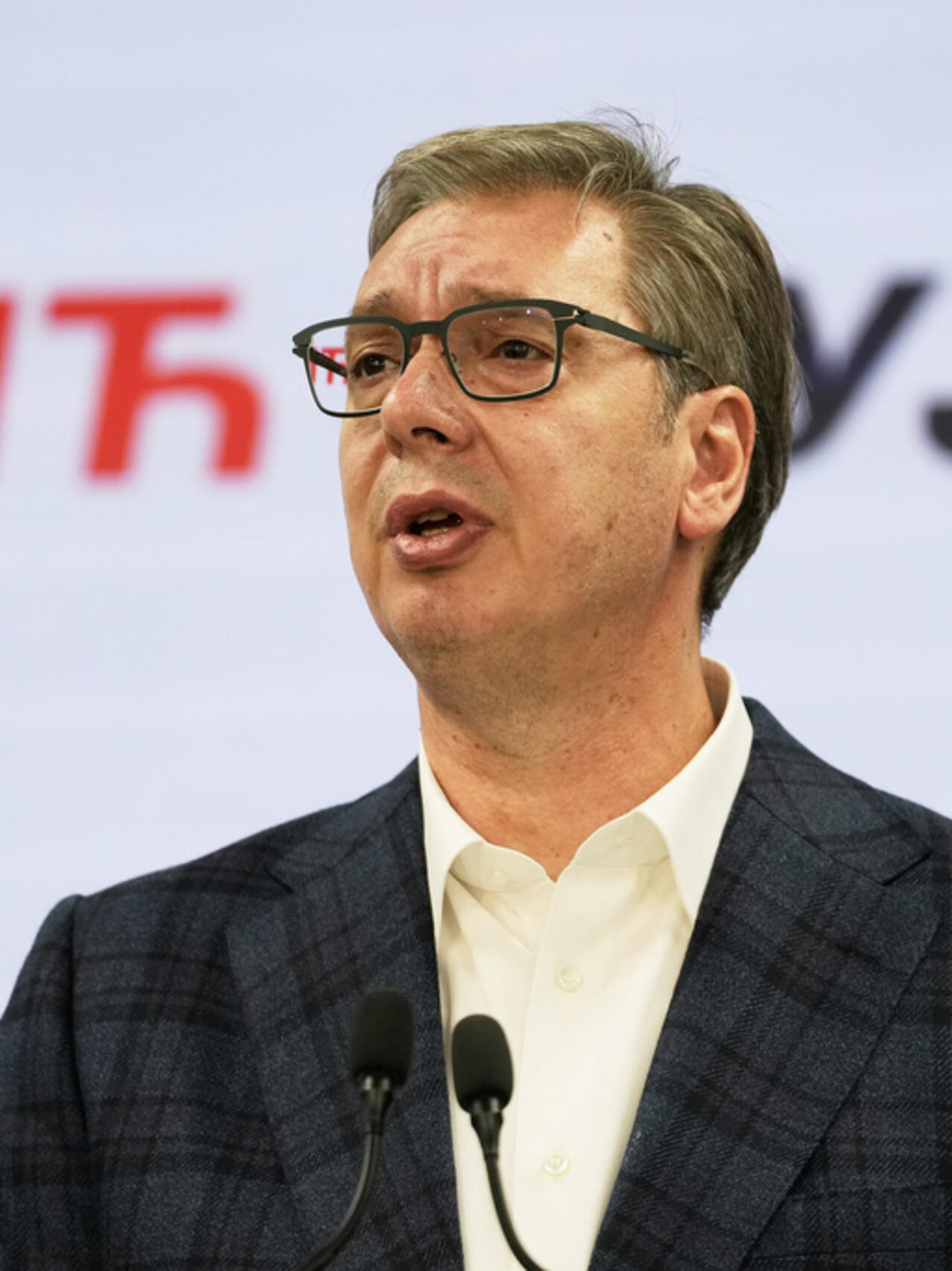
Serbia is facing a historic political transition after longtime political leader Aleksandar Vučić conceded defeat to a student-led opposition movement in the October 25, 2026 parliamentary election.
According to GhanaRegions.com analyst, he result marks a major breakthrough for a movement that spent nearly two years protesting against alleged corruption, demanding accountability and calling for stronger democratic institutions.
The election has raised an important question: Who will become Serbia’s next prime minister, and what will the victory mean for the country’s future?
Serbia Election Results: Student Movement Defeats Vučić’s Alliance
Preliminary results reported on October 26 indicated that the student-backed Student List secured approximately 52.7% of the vote, winning 139 of the National Assembly’s 250 seats. The Serbian Progressive Party (SNS)-led alliance associated with Vučić received approximately 39.2%, securing 97 seats.
Vučić acknowledged the defeat and urged his supporters to avoid violence and unrest. The result represents a significant challenge to the political establishment that has dominated Serbian politics for years.
Why Did Serbian Students Protest Against Vučić?
The protests began following the November 2024 railway station canopy collapse in Novi Sad, which killed 16 people. The disaster triggered widespread anger over alleged corruption, public procurement and construction oversight.
Students subsequently expanded their demands to include:
- Greater government accountability and anti-corruption measures.
- Independent courts and prosecutors.
- Transparency in public spending and infrastructure projects.
- Protection of academic freedom and improvements in education.
- Better employment opportunities and living standards.
- Stronger democratic institutions and media freedom.
The movement attracted support from academics, professionals, farmers, teachers and other citizens, eventually developing into a broader political challenge to the government.
Who Could Become Serbia’s Next Prime Minister?
The Student List has not officially confirmed its choice for prime minister. Several prominent figures associated with the movement could influence the formation of the next government.
1. Ilija Srdanović
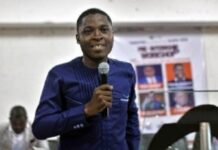
A cardiologist and professor at the University of Novi Sad’s Faculty of Medicine, Srdanović headed the Student List’s parliamentary candidate list. His professional background and prominent position make him one of the figures to watch, although he has not been confirmed as the next prime minister.
2. Dejan Šoškić
Šoškić is an economics professor and former governor of Serbia’s National Bank. His experience in economic policy and financial management could be valuable if the new government prioritizes economic stability and institutional independence.
3. Radomir Saičić
A professor of organic chemistry at the University of Belgrade, Saičić has served as a prominent representative of the Student List. He could play an important role in coordinating the movement’s parliamentary work and communicating its priorities.
4. Dejan Bodiroga
The former Serbian basketball star and EuroLeague Basketball president appeared on the Student List’s candidate slate. His public profile could help the movement connect with young people and citizens outside traditional party politics.
5. Jovo Bakić
A sociologist and University of Belgrade professor, Bakić is known for his criticism of Vučić’s administration. His academic background could contribute to discussions on democratic reform, political accountability and institutional change.
Other figures associated with the movement, including farmer Zlatko Kokanović, playwright Željko Hubač, actor Tihomir Stanić and university leader Mirjana Nikolić, could also contribute to parliamentary debates and policy development.
However, these individuals should not be described as confirmed ministerial nominees. The movement’s internal decisions and Serbia’s constitutional appointment process will determine the final leadership.
How Will Serbia Choose Its Next Prime Minister?
Winning the election does not automatically make the head of an electoral list prime minister.
Serbia’s president nominates a prime minister after consulting parliamentary representatives. The nominee must present a government programme and cabinet to the National Assembly, where at least 126 of the 250 members must support the government.
If the preliminary seat allocation is confirmed and the Student List remains united, its reported 139 seats would provide a parliamentary majority sufficient to approve a government without relying on other parties.
What Could Change Under the New Government?
The student-backed movement has an opportunity to introduce significant political and institutional reforms.
Anti-corruption: Greater transparency in public contracts, independent audits and investigations into suspected abuses of public office.
Education: Improved funding, protection of university autonomy and better opportunities for students.
Justice system: Measures to strengthen judicial independence and reduce political interference.
Economy and employment: Policies addressing affordable housing, employment security, healthcare and support for farmers and domestic businesses.
International relations: A possible reassessment of Serbia’s relationships with the European Union, Russia and China.
These are potential outcomes rather than completed achievements. The new government will need effective legislation, funding, public support and cooperation among its diverse members to turn promises into results.
Will Serbia Abandon Russia and Move Closer to the EU?
Vučić maintained close relationships with Russia and China while Serbia continued pursuing European Union integration.
The student-led movement is politically diverse, and its domestic anti-corruption agenda is more clearly defined than its future foreign policy. Its victory does not automatically mean that Serbia will break with Russia, impose sanctions on Moscow or immediately adopt every EU foreign-policy position.
The incoming government could pursue closer cooperation with the EU, maintain balanced relations with Russia and China, or prioritize domestic reforms before making major foreign-policy changes.
What Happens Next in Serbia?
The next important developments will include the certification of election results, the selection of a prime minister, cabinet appointments and parliamentary approval of the government’s programme.
Serbia must also navigate the separate question of its presidency. The parliamentary election does not, by itself, determine who will become president.
The new leadership will face pressure to deliver on its promises, investigate alleged wrongdoing fairly, protect democratic rights and demonstrate that it can govern effectively.
Aleksandar Vučić’s concession marks a historic moment for Serbia’s student-led opposition movement. After nearly two years of protests, the Student List has emerged with a reported parliamentary majority and an opportunity to reshape the country’s political direction.
Ilija Srdanović, Dejan Šoškić and Radomir Saičić are among the prominent figures to watch as the movement considers its leadership and government priorities. Nevertheless, Serbia’s next prime minister has not yet been officially confirmed.
The biggest challenge now is turning an election victory into meaningful change. The success of the new government will depend on whether it can strengthen democratic institutions, tackle corruption, improve public services and deliver better living conditions for Serbian citizens.