





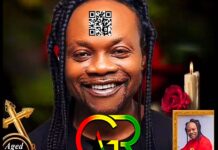


















































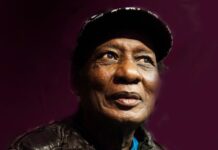










Ghanaian citizen Frederick Kumi, known as Abu Trica, has filed a GH₵10 million human rights lawsuit against Ghana’s Interior Minister, Attorney-General, NACOC, EOCO, and the FBI over alleged torture, unlawful detention, and rights violations.
According to GhanaRegions.com analyst, a 27-year-old Ghanaian citizen, Frederick Kumi, popularly known as Abu Trica, has filed a high-profile lawsuit against the Government of Ghana and the United States Federal Bureau of Investigation (FBI), demanding GH₵10 million in damages over alleged human rights violations.
The case, currently before the Human Rights Division of the High Court in Accra, has drawn significant public and legal attention due to its serious allegations of torture, unlawful detention, and abuse of power by both local and international law enforcement agencies.
Background: Who is Abu Trica?
Frederick Kumi, widely known by his alias Abu Trica, is a 27-year-old Ghanaian who was arrested on December 11, 2025, over allegations of cyber fraud. His arrest reportedly involved joint operations between Ghanaian security agencies and foreign investigators.
Following his detention, Kumi claims he was subjected to severe treatment that violated his constitutional rights and international human rights protections.
Details of the Lawsuit
In a motion filed at the High Court (Human Rights Division) in Accra, Abu Trica is seeking GH₵10 million in compensation. He describes his experience as a coordinated campaign of:
- Cruel treatment
- Inhuman punishment
- Degrading interrogation practices
- Unlawful detention
Respondents Named in the Suit
The lawsuit names several key institutions and officials as respondents:
- Minister for the Interior (Ghana)
- Attorney-General of Ghana
- Narcotics Control Commission (NACOC)
- Economic and Organised Crime Office (EOCO)
- Federal Bureau of Investigation (FBI) – United States
The inclusion of both Ghanaian and U.S. agencies has made the case particularly significant, potentially raising questions about international law enforcement collaboration and accountability.
Allegations of Torture and Human Rights Violations
Abu Trica’s court filings outline a series of alleged abuses during and after his arrest.
Physical Violence and Coercive Interrogations
According to the motion:
- He was subjected to physical assault while in custody.
- He endured coercive interrogation tactics.
- He claims foreign agents participated directly in questioning.
Kumi alleges that these interrogations violated his constitutional rights, including the right to legal representation and protection from self-incrimination.
Unlawful Detention
The suit further claims that his detention exceeded lawful limits and was carried out without proper judicial oversight. He argues that:
- He was held without due process.
- He was denied timely access to legal counsel.
- His detention conditions were degrading and inhumane.
Looting of Personal Property
In addition to claims of torture and unlawful detention, Abu Trica alleges that his personal belongings were seized and looted during the operation. These items reportedly include:
- Electronic devices
- Cash and valuables
- Personal documents
He argues that the seizure of property was conducted without proper inventory, documentation, or lawful authority.
Legal Basis for GH₵10 Million Compensation
The plaintiff is seeking GH₵10 million in damages for:
- Physical and psychological trauma
- Violation of fundamental human rights
- Loss of property
- Reputational damage
- Emotional distress
His legal team argues that the actions of the respondents breached provisions of the 1992 Constitution of Ghana, particularly those relating to:
- Protection from torture and degrading treatment
- Personal liberty
- Due process
- Property rights
The lawsuit also references international human rights conventions to which Ghana is a signatory.
Implications for Ghana and International Agencies
This case could have significant implications for both domestic law enforcement practices and international security collaborations.
For Ghanaian Authorities
The lawsuit raises questions about:
- Accountability of security agencies
- Treatment of suspects in custody
- Oversight of joint operations with foreign agencies
If the court finds merit in the claims, it could set a precedent for future human rights litigation against state agencies.
For International Cooperation
The inclusion of the FBI in the suit highlights concerns about:
- Jurisdiction of foreign agents in Ghana
- Legal frameworks governing joint investigations
- Responsibility for alleged misconduct
Legal experts suggest the case could test the boundaries of international law enforcement immunity and cooperation.
Current Status of the Case
As of now, the case has been filed and is pending hearing before the Human Rights Division of the High Court in Accra. The named respondents are expected to file their responses to the allegations.
No official public statement has yet been issued by:
- Ghana’s Interior Ministry
- EOCO
- NACOC
- Attorney-General’s Department
- FBI
The proceedings are likely to attract significant media and public interest in the coming weeks.
Public and Legal Reactions
The lawsuit has already sparked debate among:
- Human rights advocates
- Legal analysts
- Security experts
Some observers view the case as a critical test of Ghana’s commitment to human rights and rule of law, while others stress the need for thorough investigation into cybercrime allegations alongside respect for due process.
The GH₵10 million lawsuit filed by Frederick Kumi, aka Abu Trica, against Ghanaian authorities and the FBI represents one of the most high-profile human rights cases in recent times. Allegations of torture, unlawful detention, and abuse of power could have far-reaching consequences for law enforcement accountability and international cooperation.
As the High Court prepares to hear the case, attention will remain fixed on how Ghana’s judicial system addresses these serious claims and whether justice will be served.