

































































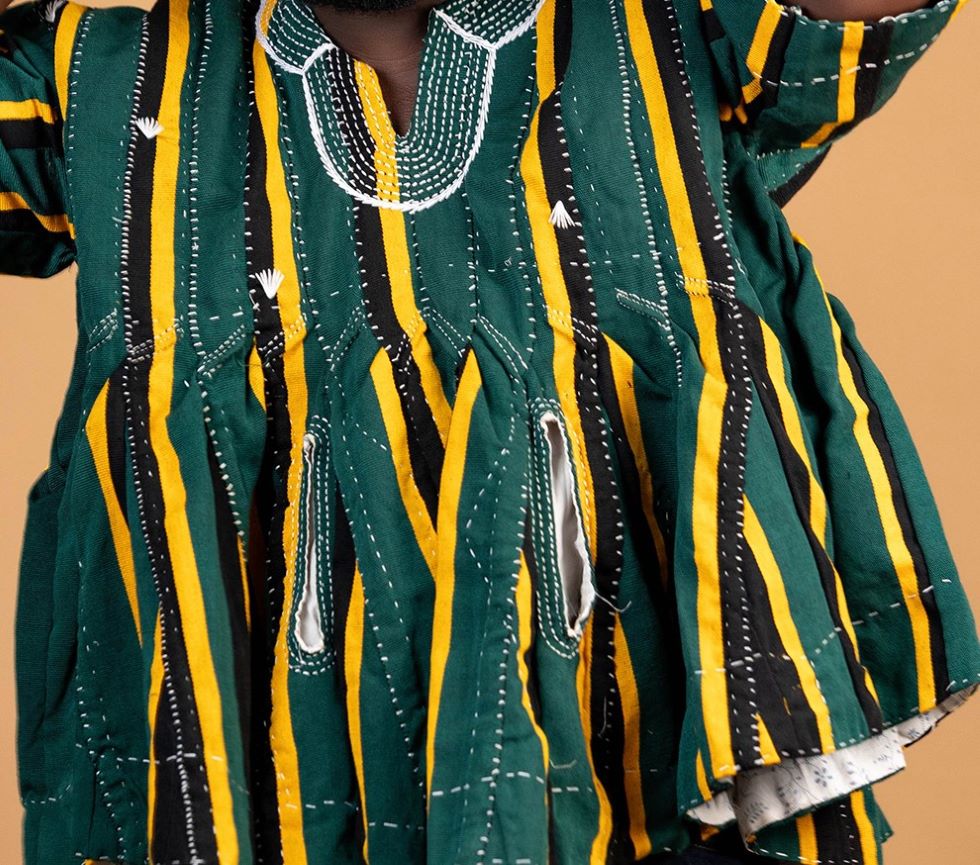
Fugu, also known as Batakari, is more than a garment, it is a powerful symbol of identity, heritage, and status rooted in northern Ghana. This traditional handwoven smock has evolved from a cultural uniform worn by chiefs and warriors into a globally recognized fashion statement blending African heritage with contemporary design.
According to GhanaRegions.com sources, in recent days, Fugu has become a trending topic across Africa and beyond after a diplomatic fashion moment sparked debate, pride, and renewed interest in traditional African clothing.
This comprehensive guide explores the history, cultural meaning, craftsmanship, modern fashion influence, and latest news surrounding Fugu or Batakari.
What Is Fugu (Batakari)?
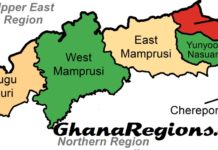
Fugu (Batakari) refers to traditional handwoven smock garments originating from northern Ghana, particularly among the Dagomba, Mamprusi, and other ethnic groups.
These garments are:
- Loose-fitting and pullover-style
- Made from heavy strip-woven cotton fabric
- Designed for comfort and durability
- Worn by men and women for ceremonial and everyday use
Often called the African Batakari jacket or Ghanaian smock, the Fugu is considered one of the most distinctive traditional outer garments in West Africa.
Origins of Fugu in Northern Ghana
The roots of Fugu trace back centuries to northern Ghana, where weaving and textile production were central to community life.
Traditional Significance
Historically, Batakari smocks were worn by:
- Chiefs and royalty
- Warriors and hunters
- Spiritual leaders
- Community elders
The garment symbolized:
- Authority
- Courage
- Protection
- Social status
Some designs were believed to have spiritual or protective powers, especially when worn by warriors or leaders.
Cultural Meaning: Identity, Status, and Heritage
Fugu is not just clothing — it represents cultural pride and identity.
Symbol of Northern Ghanaian Identity
In northern Ghana, wearing Batakari reflects:
- Connection to ancestral heritage
- Respect for tradition
- Pride in local craftsmanship
- Community belonging
Each design, color, and weaving style can signal ethnic background, social rank, or occasion.
Status and Prestige
Traditionally:
- Elaborate smocks indicated wealth and influence
- Handwoven quality showed prestige
- Certain patterns were reserved for chiefs
Today, Fugu continues to represent dignity and powerful heritage, especially when worn at formal events, festivals, and ceremonies.
Craftsmanship: How Ghana Batakari Smocks Are Made
One of the most admired aspects of Fugu is its traditional craftsmanship.
Strip-Weaving Technique
Batakari smocks are crafted from:
- Handwoven cotton strips
- Sewn together into large panels
- Dyed using natural or modern dyes
- Carefully stitched into loose tunic shapes
The heavy strip-woven cotton fabric is:
- Breathable
- Durable
- Comfortable in hot climates
- Suitable for both casual and ceremonial wear
Authentic Batakari Tunics
Authentic Fugu garments are:
- Handmade by skilled weavers
- Unique in pattern and stitching
- Often customized for special occasions
This dedication to craft ensures each smock carries cultural authenticity and artistic value.
Fugu in Modern Fashion
In recent years, Batakari has gained popularity beyond traditional settings.
Blending Heritage with Modern Style
Designers across Africa and the diaspora are reimagining Fugu as:
- Contemporary jackets
- Streetwear-inspired tunics
- High-fashion pieces
- Gender-neutral designs
Whether you’re seeking an authentic Batakari tunic or a bold heritage-inspired design, modern collections offer diverse options for men and women.
Why Fugu Appeals Today
Modern fashion lovers appreciate Fugu because it:
- Celebrates African heritage
- Offers comfort and versatility
- Supports local artisans
- Makes a strong cultural statement
Why Fugu Is Trending Today: Latest News
Fugu is currently trending globally due to a cultural and diplomatic fashion moment involving Ghana and Zambia.
Diplomatic Visit Sparks Debate
During a recent Ghana–Zambia Business Forum in Lusaka, Ghana’s president arrived wearing a traditional Fugu outfit.
This sparked online discussion when:
- Some Zambians mockingly referred to the outfit as a “blouse”
- Social media debates erupted over cultural understanding
- The moment quickly went viral across Africa
Zambia’s President Defends Fugu
Zambia’s president publicly supported the garment, saying:
- He admired the design
- He would be “ordering more of that stuff” for himself
- His comments were shared in a video on X (formerly Twitter)
His response turned the moment into a celebration of African fashion rather than criticism.
Youth Reclaiming Cultural Roots
Ghana’s foreign minister noted that the online buzz shows:
- Young Africans are reconnecting with cultural identity
- Traditional clothing is regaining pride and relevance
- Fashion is becoming a tool for cultural diplomacy
“Fugu Friday” and Cultural Revival in Ghana
Within Ghana, initiatives are encouraging the wearing of traditional clothing.
One popular movement is “Fugu Friday”, where:
- People wear Batakari and other African outfits
- Workplaces and schools promote traditional fashion
- Youth celebrate local heritage through clothing
This movement reflects a broader push to:
- Support local textile industries
- Preserve traditional crafts
- Promote African identity globally
Fugu as a Global Cultural Symbol
The renewed global attention highlights Fugu’s growing importance as:
- A diplomatic fashion statement
- A symbol of African unity
- A bridge between tradition and modernity
- A proud expression of Ghanaian heritage
As more leaders, designers, and young people embrace Batakari, it continues to evolve from a regional garment into a global cultural icon.
Fugu (Batakari) stands as one of Ghana’s most iconic traditional garments, deeply rooted in the history and identity of northern Ghana. From its origins as attire for chiefs and warriors to its modern role in global fashion, the handwoven smock remains a powerful symbol of dignity and heritage.
Now trending due to a viral diplomatic fashion moment and renewed cultural pride, Fugu is experiencing a renaissance. With movements like Fugu Friday and growing international appreciation, this traditional garment continues to blend cultural heritage with modern style, ensuring its relevance for generations to come.
Whether worn as an authentic Batakari tunic or a contemporary fashion piece, Fugu remains a timeless representation of African identity, craftsmanship, and pride.